close
Choose Your Site
Global
Social Media
Views: 0 Author: Allen Wang Publish Time: 2025-05-24 Origin: Site


Many people worry that laser treatments might damage the skin — like scraping paint off a wall — and make it thinner with repeated use. In fact, the opposite is true.
As we age, our skin naturally loses collagen and elastin, which causes thinning. The thermal effect of fractional laser treatment stimulates fibroblasts, encouraging new collagen production. This leads to structural improvements in both collagen and elastin fibres, increasing their quantity and improving their arrangement. The result? Firmer, thicker, more elastic skin with reduced fine lines and smaller pores.
While fractional laser may temporarily reduce skin moisture or slightly disrupt the stratum corneum (outermost layer), this usually heals within a few days. The newly regenerated skin has a complete structure — including a healthy epidermis and barrier function. Each treatment contributes positively to long-term skin rejuvenation.
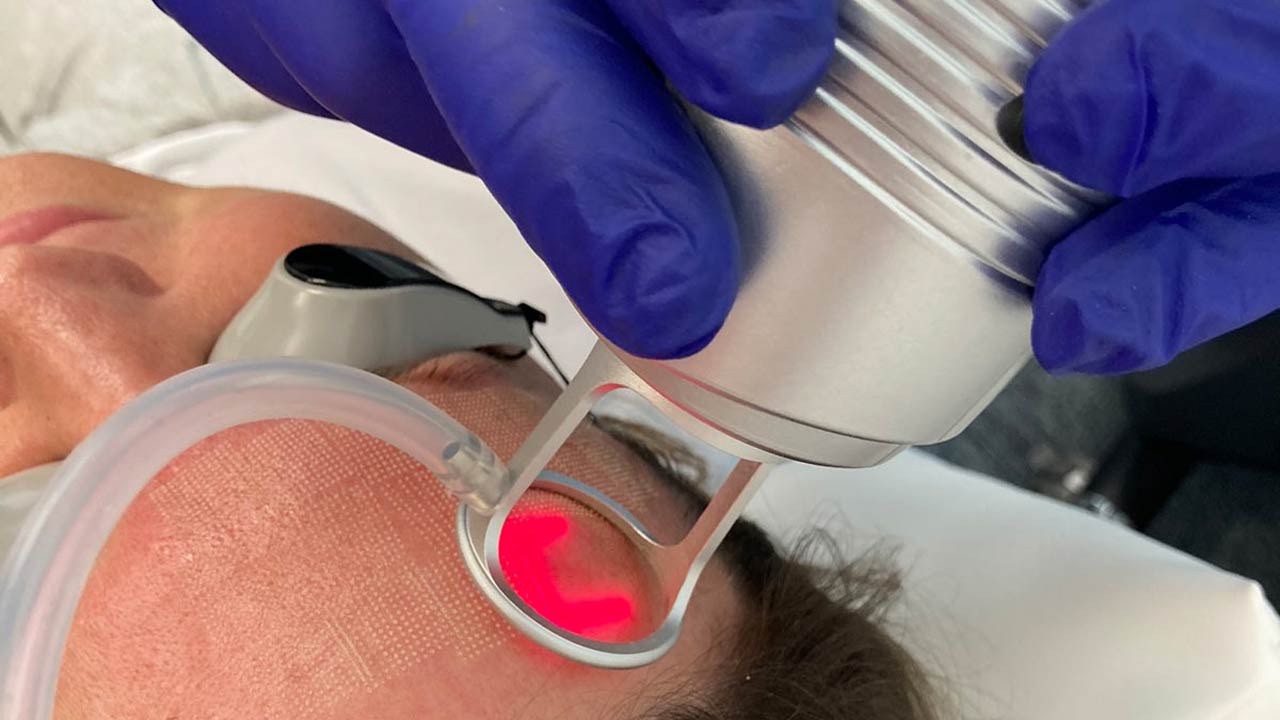
Why do some people feel their skin looks worse after CO₂ fractional laser?
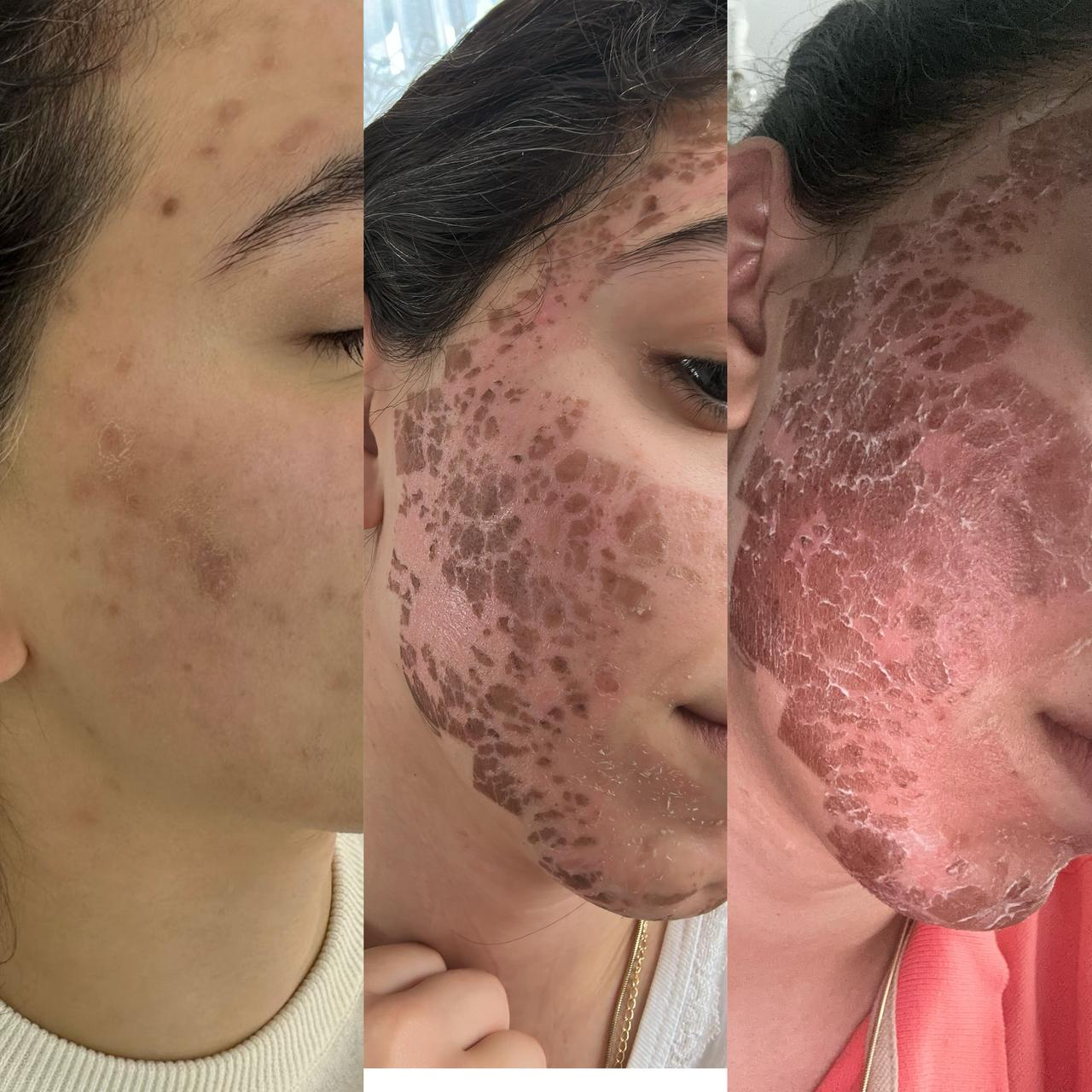
1. Treatment method mismatch: For example, using ablative mode on unsuitable acne scars may worsen their appearance. Inexperienced practitioners might also apply incorrect energy levels, leading to over-treatment.
2. Improper aftercare: Inadequate post-treatment care — such as incorrect wound management or poor sun protection — may lead to inflammation, enlarged pores, or post-inflammatory hyperpigmentation (PIH).
3. Unrealistic expectations: Deep acne scars usually require multiple sessions and sometimes combination therapy. Skin with poor healing ability may not show dramatic improvement quickly.
Conclusion
Fractional laser doesn’t damage your skin — it stimulates collagen, tightens pores, and improves texture. But results depend on correct treatment technique, professional aftercare, and realistic expectations.